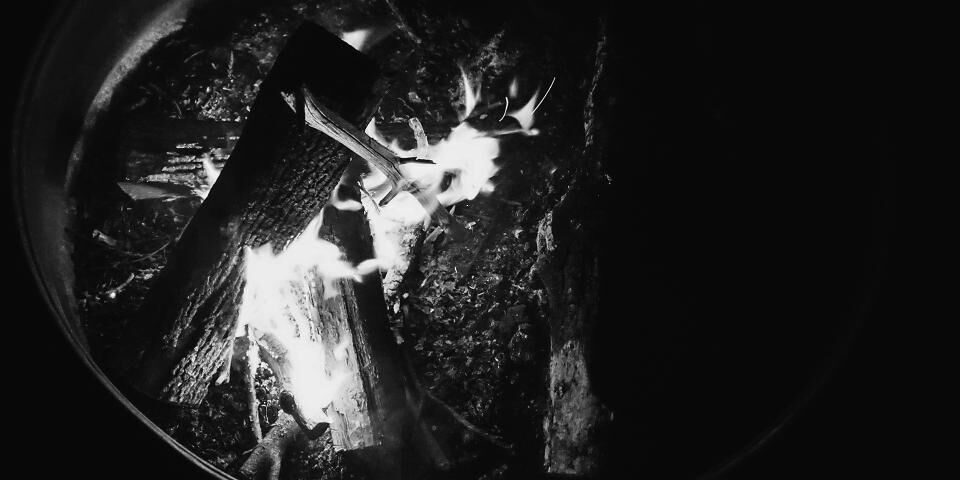
A fire pit can turn a patio into the favourite spot in the garden. It brings people outside on cool nights and gives the space a natural focus. It also brings real fire risk, especially as the weather warms up. The rules around backyard fires change with the season and the daily fire danger.
Fire services in each state set their own rules for fires in the open. The rules can change from one day to the next once the fire season starts. This guide uses Victoria and New South Wales as examples. Always check your local fire service and council before you light up.
Fire pits and the fire danger period
In Victoria, the CFA treats fire pits, chimeneas and braziers the same way as campfires during the Fire Danger Period. Its guide on what you can and cannot do explains the rules for outdoor fires and cooking. On Total Fire Ban days, lighting fire pits, chimeneas and braziers is banned. That applies to backyards as well as campgrounds.
Outside a Total Fire Ban, campfire rules apply during the Fire Danger Period. The CFA says the wind must not be more than 10 kilometres per hour. The fire must be in a properly constructed fireplace or a trench at least 30 centimetres deep. It cannot occupy more than 1 square metre.
Clearance is the next condition. The area within 3 metres of the outer edge of the fire must be clear of flammable material. A person must stay with the fire at all times and be able to put it out. The fire must be completely out before that person leaves.
Year round local rules
Fire season rules are not the only ones that apply. The CFA notes that some municipalities have restrictions in place all year round. Burning off garden waste is a separate matter and has its own permit rules during the Fire Danger Period. Check your council website for local laws that apply to your street.
Total Fire Ban days in New South Wales
New South Wales sets out its rules on the RFS page about Total Fire Ban rules. The general rule is no fires out in the open on a Total Fire Ban day. Wood fired pizza ovens and barbecues that burn wood, charcoal or heat beads cannot be used outside during a ban. A fire pit is an open fire, so plan to leave it unlit on those days.
Gas barbecues can be used during a ban only under strict conditions. A responsible adult must control the barbecue and be present the whole time it runs. No combustible material can be within 2 metres while it is operating. There must be an immediate and continuous supply of water close by.
The barbecue must also be within 20 metres of a permanent private home or sit in a designated picnic area. The penalties for breaking a ban are significant. The RFS lists an on the spot fine of $2,200 and court fines of up to $5,500 or 12 months in jail. If a fire escapes and causes damage, the maximum rises to $132,000 or 14 years in jail.
Siting a fire pit on your patio
Where the fire pit sits makes a big difference to safety. The CFA advises setting up a fire pit on a flat, non flammable surface. Paving, gravel or a concrete pad are common choices. Timber decks and dry lawn are poor places for an open flame.
Think about what is above and around the pit too. Keep it clear of overhanging branches, pergola roofs, shade sails and fences. Stack firewood well away from the fire itself. Our guide to preparing for a landscape renovation explains how to plan a new outdoor area so features like this have their own space.
The CFA also warns that the outside of a fire pit gets very hot. Place seating at a comfortable distance and keep the area around the pit clear of trip hazards. Children need close watching around any fire. The CFA says to always be present when a fire pit is burning, particularly when children are around.
What to burn and how to put it out
Use dry firewood and keep the fire to a sensible size. The CFA says fuel should be the minimum necessary for the purpose. Large fires throw sparks and are harder to control. A small, steady fire is safer and easier to put out.
Never burn treated or painted timber. HealthyWA advises against burning treated or painted wood in open fires, stoves or fireplaces, because it releases toxic smoke and ash. That includes old deck boards, pallets and fence palings. Take that material to your local tip instead.
When the evening ends, put the fire out properly. The CFA says the best way to put out a fire pit is with water. Keep a full bucket or a connected hose nearby before you light up. Check the ashes are cold before you head inside.
Fire pits and a greener garden
Smoke affects neighbours and local air, so think about how often you light the pit. Choose dry, untreated wood that burns cleanly. Our article on sustainable landscaping practices covers wider ways to garden with less impact. You can find more in our piece on environmentally friendly landscaping.
If you are adding a built in fire feature, plan it as part of the wider design. A landscaper can build a pad, seating walls and lighting around it. Ask for a clear quote that lists each part of the job. Our article on pricing landscaping services explains how landscapers usually put a quote together.
Frequently asked questions
Can I use my fire pit on a Total Fire Ban day?
No. In Victoria, the CFA says lighting fire pits, chimeneas and braziers is banned on Total Fire Ban days. In New South Wales, the RFS rule is no fires out in the open during a ban. Other states have similar bans, so check your local fire service.
How much clear space does a fire pit need?
During Victoria’s Fire Danger Period, the CFA requires the area within 3 metres of the fire to be clear of flammable material. The fire must sit in a properly constructed fireplace or trench. It cannot be larger than 1 square metre. Local councils may set extra rules.
Can I cook on a gas barbecue during a ban?
In New South Wales, a gas barbecue can be used under strict conditions. A responsible adult must be present the whole time it runs. Nothing combustible can be within 2 metres and water must be on hand. It must be close to a home or in a designated picnic area.
Can I burn old timber in my fire pit?
Not if it is treated or painted. HealthyWA advises against burning treated or painted wood in open fires because it releases toxic smoke and ash. Use dry firewood only. Take old timber to your local tip.
This article is general information only. Fire restrictions differ between states and councils and can change daily during the fire season. Check with your local fire service and council before lighting any outdoor fire.